
Close
Exploring the psychological impacts of gambling in modern casinos
Gambling in modern casinos presents a compelling interplay between excitement and risk, appealing to a broad demographic. The thrill of potentially winning large sums of money ignites a psychological rush, often likened to an addictive high. This feeling, spurred by the anticipation of a win, can lead individuals to seek out the casino environment repeatedly, reinforcing their attraction to gambling despite the inherent risks involved. For more information, you can visit https://nightwin.me.uk/, where you can learn about emerging trends and opportunities in the gaming world.
Furthermore, modern casinos are designed to maximize this psychological impact. Bright lights, captivating sounds, and the presence of fellow gamblers enhance a sense of community and shared excitement. This environment can evoke feelings of euphoria, leading players to lose track of time and money spent, which can pave the way for problematic gambling behavior. Understanding these psychological triggers is essential for both players and casino operators.
The emotional rollercoaster of gambling often leaves individuals grappling with a complex mix of feelings, ranging from joy and excitement to anxiety and regret. Many gamblers experience a phenomenon known as “loss chasing,” where they continue to gamble in an attempt to recoup their losses. This behavior exemplifies the psychological grip that gambling can have, resulting in a cycle that can be difficult to break without external intervention.
Reinforcement theory is critical in understanding why individuals continue to gamble despite negative consequences. In casinos, variable ratio reinforcement schedules—where rewards are provided unpredictably—create an addictive loop. Players can experience a win after a series of losses, which reinforces the behavior and encourages them to gamble again in hopes of replicating that win.
This form of reinforcement is a powerful tool leveraged by casino operators, who design games to ensure that wins, no matter how small, are frequent enough to keep players engaged. The psychological impact of this consistent reinforcement is profound, as it can lead to an erroneous belief that consistent gambling will ultimately yield financial success, despite the odds being stacked against the player.
Additionally, the social aspect of gambling serves as a form of reinforcement. Many players enjoy the camaraderie found in casino settings, creating a communal atmosphere that bolsters their desire to return. This social element can further entrench gambling habits, as individuals often associate their experiences in casinos with positive social interactions, blurring the lines between enjoyment and compulsive behavior.
Cognitive biases significantly influence the decision-making process of gamblers. One prevalent bias is the “gambler’s fallacy,” where individuals believe that past events affect future outcomes in games of chance. For example, if a player experiences a series of losses, they may feel that a win is “due,” leading them to gamble even more. This irrational thinking can have dire financial consequences, further complicating the psychological landscape of gambling.
Another common cognitive bias is the “illusion of control,” where gamblers mistakenly believe they can influence the outcome of random events through skill or strategy. This belief can embolden players to take risks they wouldn’t ordinarily consider. In table games such as poker, players may overestimate their skill level and subsequently increase their stakes, leading to significant losses.
Understanding these cognitive biases is crucial for both players and those seeking to address problem gambling. Awareness of these psychological traps can empower individuals to make more informed decisions and recognize when their beliefs may be leading them astray. By fostering a greater understanding of cognitive biases, interventions can be developed to assist those at risk of gambling addiction.
The repercussions of gambling are not only financial but can profoundly affect mental health. Problem gambling has been linked to anxiety, depression, and increased stress levels. As individuals dive deeper into gambling, they may find themselves facing a range of emotional challenges, including feelings of shame and isolation as they struggle to manage their addiction.
Furthermore, the stigma surrounding gambling addiction can exacerbate these mental health issues. Many gamblers may feel reluctant to seek help due to fear of judgment or misunderstanding from others. This isolation can further entrench their gambling behavior, as they may turn to gambling as an escape from their emotional distress, creating a vicious cycle that can be difficult to break.
Recognizing the link between problem gambling and mental health is crucial for developing effective support systems. Counseling and support groups can provide a safe space for individuals to confront their issues and learn strategies to manage their gambling behavior. Encouraging open discussions about mental health and gambling can help destigmatize these issues, paving the way for healthier coping mechanisms.
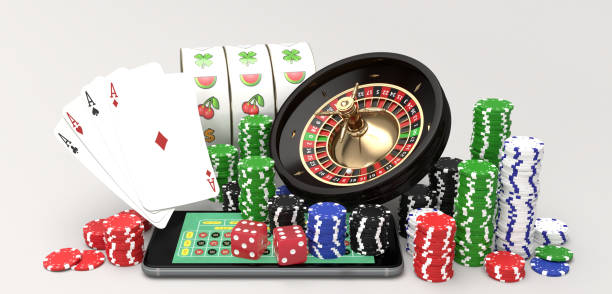
In response to the psychological impacts of gambling, many modern casinos are implementing innovative strategies to promote responsible gambling. This includes offering self-exclusion programs, where players can voluntarily restrict their access to gambling facilities for a specified period. These programs are crucial in helping individuals recognize their gambling behaviors and take proactive steps to mitigate their risks.
Additionally, casinos are increasingly utilizing technology to support responsible gambling initiatives. Many platforms provide tools for players to set limits on their deposits, losses, and playtime, empowering them to maintain control over their gambling habits. This proactive approach can help diminish the likelihood of developing problem gambling behaviors and fosters a culture of awareness and responsibility.
Furthermore, educational campaigns within casinos aim to raise awareness about the risks associated with gambling and encourage players to make informed choices. By fostering an environment where responsible gambling is celebrated, casinos can help mitigate the negative psychological impacts associated with gambling and promote healthier gaming experiences for all players.


